

Yes, a 1099 contractor may qualify for business funding. Many funding providers work with independent contractors, freelancers, gig workers, and other self-employed applicants. Instead of looking only at a traditional paycheck, they may review business revenue, bank deposits, cash flow, time in business, and other signs of steady income.
That matters because 1099 income does not always look like a normal salary.
You may get paid by several clients.
Your income may change from month to month.
You might receive payments through ACH, check, PayPal, Stripe, a gig platform, or direct bank deposit.
None of that automatically means you cannot qualify.
Quick Answer: Can 1099 Contractors Get Business Funding?
Possibly, yes.
A 1099 contractor is self-employed. That means you may operate as a sole proprietor, independent contractor, freelancer, or another type of small business owner.
Some business funding providers are comfortable working with applicants who do not receive W-2 wages.
Instead, they may want to see that your business activity is real and that income is coming in consistently enough to support the funding.
What Counts as a 1099 Contractor?
A 1099 contractor is generally someone who earns income independently rather than as a traditional employee.
That can include people working in many different industries.
For example:
- Consultants
- Freelance marketers
- Designers
- Photographers
- Drivers
- Delivery workers
- Home service professionals
- Construction contractors
- Real estate professionals
- Beauty professionals
- Creators
- Repair technicians
- IT contractors
- Independent salespeople
Some 1099 workers have one main client.
Others may work with ten or more.
The setup can look different from person to person.
That is why funding providers often look at the income itself instead of assuming every self-employed applicant fits the same mold.
Why 1099 Income Can Look Different to a Funding Provider
A W-2 employee usually receives a predictable paycheck.
A 1099 contractor may not.
One week could be busy.
The next may be slower.
Then a large client payment might come in near the end of the month.
That does not automatically mean the income is unstable.
It may simply be the normal pattern of the business.
For example, a freelance web developer could earn:
- $1,200 from one client
- $900 from another
- $2,500 from a larger project
- $600 from a smaller recurring client
Together, that is $5,200 in monthly business income.
The deposits are different sizes and arrive at different times.
Still, they show active business revenue.
What Do Funding Providers Look for?

There is no single approval formula.
Each provider has its own underwriting process.
However, several factors may help show whether a 1099 contractor can support business funding.
Monthly Revenue
Revenue is one of the first things many providers review.
They may look at how much business income you bring in each month.
A higher number does not always guarantee approval.
Still, steady revenue can make the application easier to evaluate.
Deposit Consistency
Consistency matters too.
If your account shows regular customer or client payments, that can help show ongoing business activity.
For example, imagine two contractors.
The first earns about $5,000 every month.
The second earns $9,000 one month, then $1,000 the next, then nothing the month after that.
The first contractor may have an easier income pattern to understand.
That does not mean the second person cannot qualify.
It simply means the provider may look more closely at the overall trend.
Cash Flow
Revenue tells you how much comes in.
Cash flow shows what is left after money goes out.
That difference matters.
A contractor may earn $8,000 per month but spend nearly all of it on expenses.
Another may earn $5,000 and still maintain a healthy balance.
A provider may review things such as:
- Average bank balances
- Daily balances
- Existing payments
- Business expenses
- Returned transactions
- Negative balance days
- Current financial obligations
The goal is to see whether the business has enough room to handle another payment.
Time in Business
Providers may also ask how long you have been self-employed.
A contractor who has worked independently for several years gives a provider more history to review.
However, some funding companies may work with newer businesses.
Minimum operating requirements vary.
Do 1099 Contractors Need an LLC?
Not always.
Many 1099 contractors operate as sole proprietors.
That means they may never have formed an LLC.
A funding provider may still consider the application if the applicant meets its other requirements.
An LLC can be useful for business structure and organization.
But it is not always the deciding factor.
In many cases, the more important issue is whether your income clearly shows that you operate an active business.
Do You Need a Business Bank Account?
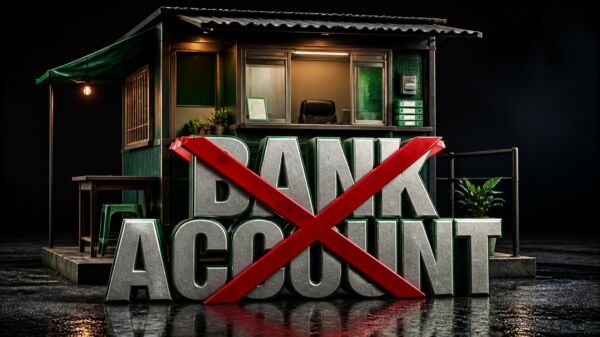
It depends on the provider.
Some providers may require a business checking account.
Others may work with sole proprietors who receive business income through a personal bank account.
This is fairly common among freelancers and contractors.
For example, a freelance photographer might receive payments directly into a personal checking account.
If those deposits clearly come from business activity, some providers may still be able to review them.
However, keeping business and personal activity separate can make things much easier.
A business account creates a cleaner picture of your revenue and expenses.
What If My Income Changes Every Month?
Variable income is normal for many 1099 contractors.
One month might be $4,200.
The next could be $5,100.
Then you might have a slower month at $3,600.
Providers may review your average revenue over several months instead of judging one month by itself.
They may also look at the direction of the business.
Is your income fairly stable?
Is it growing?
Is it declining?
Those patterns may matter more than one unusually strong or weak month.
A Realistic 1099 Contractor Example
Let’s look at a simple example.
Andre works as an independent HVAC technician.
He receives 1099 income from several property management companies.
He has been self-employed for two years.
His monthly revenue averages around $6,500.
Some months are closer to $5,500.
Others are over $7,000.
Andre needs $4,000 for tools, parts, and an equipment repair.
His bank account shows regular business deposits throughout each month.
He also keeps a positive balance most of the time.
A provider may review Andre’s revenue, cash flow, banking history, and current obligations.
The fact that he receives 1099 income does not automatically make him ineligible.
His current business activity may actually tell a much more useful story.
Can Gig Workers Qualify as 1099 Contractors?
Some may.
Gig workers are often classified as independent contractors.
That can include people earning income through delivery, transportation, freelance, service, and online platforms.
However, each provider may have different rules about what types of income qualify.
The key issue is usually whether the income is consistent enough and whether it can be verified.
If you receive income from several platforms, it can help to have those payments flow into one main account.
That gives the provider a clearer picture of your total business activity.
What If I Have Several 1099 Clients?
That can actually be a normal part of self-employment.
You do not necessarily need one large customer.
In fact, several regular clients may show that your income does not depend entirely on one source.
For example, a marketing consultant might receive:
- $1,500 from Client A
- $1,200 from Client B
- $900 from Client C
- $1,100 from Client D
That creates $4,700 in monthly revenue.
A provider may look at the total pattern rather than each client by itself.
Will a Funding Provider Ask to See My 1099 Forms?
Maybe.
Some providers may request tax forms or tax returns.
Others may rely more on recent bank activity and business information.
It depends on the product and underwriting process.
You may be asked for:
- Recent bank statements
- Identification
- Business information
- Proof of revenue
- Tax documents
- 1099 forms
- Business licenses, when applicable
- Details about the requested funding amount
Having records organized can help the process move more smoothly.
Does Credit Matter for a 1099 Contractor?
It can.
However, not every provider uses credit the same way.
Traditional lenders may place a lot of weight on personal credit.
Some alternative funding providers may look more closely at current revenue and cash flow.
That does not mean credit is ignored.
It means your credit score may be only one part of the review.
If your credit history is not perfect but your business is bringing in steady revenue, you may still have funding options to explore.
What Types of Business Funding May Be Available?
Different funding products may be available depending on your income and business profile.
Revenue-Based Funding
Revenue-based funding focuses heavily on business performance.
Providers may review recent deposits and cash flow.
This can make it relevant for 1099 contractors whose income is clearly visible in bank activity.
Short-Term Business Funding
Short-term funding may help cover things like:
- Equipment
- Repairs
- Supplies
- Inventory
- Marketing
- Contractor costs
- Seasonal expenses
- Working capital
Some providers offer a faster online application process.
Merchant Cash Advances
A merchant cash advance provides upfront capital in exchange for an agreed amount of future business receivables.
Eligibility may depend more on sales or deposit activity than on traditional employment.
However, costs can vary.
Review the full repayment amount before accepting an offer.
Business Lines of Credit
Some business lines of credit may also work for independent contractors.
Others may require more established business credit or a formal business entity.
Requirements vary.
What Could Help a 1099 Contractor Qualify?
You cannot control every approval rule.
Still, a few things can strengthen the overall picture.
Keep Business Income Organized
Try to have business payments flow into one primary account.
That makes revenue easier to track.
Know Your Average Monthly Revenue
Do not guess.
Review the last several months.
Calculate what your business actually brings in.
Keep Your Account Healthy
Try to avoid frequent overdrafts and returned payments.
A cleaner banking history may show stronger cash flow.
Have a Clear Funding Purpose
Know why you need the money.
Maybe you need new equipment.
Maybe you are buying supplies for upcoming jobs.
Maybe you need working capital while waiting on invoices.
A specific use makes the funding decision easier to evaluate.
Ask for a Realistic Amount
Your requested amount should fit the size of your business.
If you earn $4,000 per month, asking for $25,000 may be difficult to support.
A smaller request tied to a real business expense may be more realistic.
What Can Make Qualification Harder?
Some financial patterns may create more questions.
These can include:
- Very inconsistent income
- Frequent negative balances
- Repeated returned payments
- Limited business history
- Low monthly revenue
- Heavy existing debt
- Large unexplained transfers
- A funding request that is too large
None of these automatically means a decline.
However, they may affect the decision or the terms offered.
When Does Business Funding Make Sense for a Contractor?

Business funding can make sense when it helps you keep earning.
For example, imagine your main tool breaks before a full week of scheduled jobs.
Replacing it quickly could protect several thousand dollars in revenue.
Or maybe you need supplies before starting a large project.
Funding could help bridge the gap between buying materials and receiving final payment.
The best use is usually something that protects, supports, or creates business income.
When Should You Be More Careful?
Be careful if you need new funding every month just to stay afloat.
That may point to a larger cash flow issue.
Funding can help with a temporary gap.
It cannot automatically fix pricing problems, low profit margins, or ongoing losses.
Also, review the payment schedule carefully.
A daily or weekly payment can affect your cash flow differently than a monthly one.
What Should You Review Before Accepting an Offer?
Do not focus only on the amount you are approved for.
Look at the full deal.
Review:
- Funding amount
- Total repayment amount
- Fees
- Interest or factor rate
- Payment frequency
- Estimated term
- Early repayment terms
- Personal guarantee requirements
- Withdrawal authorization
Make sure the payment fits the normal rhythm of your income.
That is especially important for 1099 contractors who may not get paid on the same day every week.
The Bottom Line
So, can a 1099 contractor qualify for business funding?
In many cases, possibly yes.
Being an independent contractor does not automatically disqualify you.
Some funding providers work with freelancers, sole proprietors, gig workers, and other self-employed business owners.
They may look at more than whether you receive a traditional paycheck.
Your revenue matters.
Your deposits matter.
Your cash flow matters.
Your time in business may matter.
And the amount you request matters too.
The strongest thing you can do before applying is understand your own numbers.
Know what you earn.
Know what you spend.
Know how much you need.
Then compare your options carefully.
For a 1099 contractor, the question is not simply whether you have a traditional employer.
It is whether your business activity shows enough steady income and healthy cash flow to support the funding.

Can a 1099 contractor qualify for business funding?
Possibly. Some providers work with independent contractors and evaluate revenue, bank deposits, cash flow, and time in business.
Do I need an LLC if I am a 1099 contractor?
Not always. Many 1099 contractors operate as sole proprietors. Provider requirements vary.
Can I qualify with a personal bank account?
Some providers may allow a personal bank account if it clearly shows business income. Others may require a business account.
How much revenue does a 1099 contractor need?
There is no universal minimum. Each provider sets its own revenue requirements.
What if my 1099 income changes every month?
That is common. Providers may review your average revenue over several months and look for overall consistency.
Will I need to provide my 1099 forms?
Maybe. Some providers may request tax forms or other proof of income. Others may rely more heavily on bank statements and recent deposit history.
Does bad credit prevent a 1099 contractor from getting funding?
Not always. Some providers consider revenue and cash flow in addition to credit. However, credit may still affect approval or terms.
Can gig workers qualify for business funding?
Some gig workers may qualify if their income meets the provider’s requirements and can be verified.
What if I have several clients?
That is common for independent contractors. Providers may look at your total monthly revenue rather than requiring income from one main client.
Can I use funding for equipment or supplies?
Depending on the agreement, funding may be used for equipment, supplies, inventory, marketing, repairs, working capital, and other approved business expenses.
What should I do before applying?
Review your recent revenue, bank activity, expenses, current obligations, and the exact amount you need. Organized records can make your business easier to evaluate.
Is approval guaranteed for 1099 contractors?
No. Approval depends on the provider’s requirements and your overall financial profile.
Disclaimer:
Fundo offers Revenue Based Financing programs exclusively for business use. Any references to loan products, consumer products, or other financing forms are solely for marketing and educational purposes, aiming to differentiate Fundo's product from other similar financing options in the market.
